Amarone della Valpolicello Monte Lodoletta 2016
Italien, Venetien0,75l (399,93 €/l)

98
James Suckling
98
Vinous
97
Robert Parker

Fact Sheet
| Artikelnummer | 204032 |
| Weintyp | Rotwein |
| Rebsorte(n) | Corvina Veronese, Rondinella, Oseleta, Croatina, Corvinone |
| Land | Italien |
| Region | Venetien |
| Jahrgang | 2016 |
| Wein-Prädikat | DOCG |
| Geschmack | trocken |
| Wein-Stil | gehaltvoll & nachhaltig |
| Nettofüllmenge | 0,75 L |
| Alkoholgehalt | 14,00 % vol |
| Trinktemperatur | 16-18°C |
| Reifepotenzial | 2050 |
| Gesetzliche Angaben | enthält Sulfite |
| Produzent | Romano Dal Forno |
| Adresse | Abfüller: Dal Forno Romano, Loc.Lodoletta 1, IT-37031 Illasi (VR) |
Unsere Verkostungsnotiz
Alexander Jansen - Einkaufsleitung Wine in Black

Dieser Wein steht weit über allem, was man sonst als Amarone zu kennen glaubt. Mehr denn als Begleiter zu einem Dinner ist dieser Wein ein ganzes Fest für sich selbst. Der 2016er ‚Monte Lodoletta‘ ist unglaublich konzentriert und vielschichtig. Fast opak schwarz in der Farbe, im Duft süß und dunkel mit Anklängen an schwarze Kirschen, Kirschlikör, Pflaumenkompott, Anis, Zimt, Fenchel, Gewürznelke, Crème de Cassis, Tabak, Rosenblätter und Grafit. Am Gaumen trifft einen dann die ganze Wucht dieses reifen, extrem reichhaltigen und gleichzeitig grandios balancierten Weins: Tief und opulent in der Frucht, unfassbar seidig und fein in der Textur – ein Monolith, bei dem man aus dem Staunen nicht mehr herauskommt!
Awards
96
Wine in Black

Schon in normalen Jahren ist dies ein rarer Wein, doch im Jahr 2016 ging die Produktion wegen Hagels noch einmal um 50 % zurück. So ist der Amarone della Valpolicella ‚Monte Lodoletta‘ noch seltener zu finden und noch begehrter. Und doch haben wir für Sie ein paar Flaschen dieses Kultweins!
98
James Suckling

Inky in the glass with almost no rim. Aromas of cloves, coconut, graphite, dark lush bramble fruit, plums and cherries. Full-bodied with great concentration of fruit and a super-dense and velvety palate. Extremely rich, but balanced by crisp acidity and thick yet dynamic and chewy tannins. Amazing finish of salted chocolate. A superpower Amarone with grace. Try from 2026. Will age for decades.
98
Vinous

The 2016 Amarone della Valpolicella Monte Lodoletta keeps me at the edge of the glass to take in its darkly alluring bouquet of dusty black currants and dried flowers, with hints of blood orange offset by sweet rose. While currently youthful and understated, it continues to open and deepen with each swirl. This is silky and cool-toned in feel, savory to the core, with a dense wave of mineral-tinged dark red fruits carried across a core of vibrant acidity. Autumnal spices form toward the close. The 2016 is inward and saturating, building in fine tannins that clench the palate through the finale, promising a long, long life. This is a masterpiece in the making, and while already bottled, it will not be released until 2023. Production was again down by 50% in 2016 due to hail.
97
Robert Parker

The 2016 Amarone della Valpolicella Monte Lodoletta takes wine intensity to almost unthinkable levels. That's the magic of this estate, and without a doubt, this wine occupies a category that makes it totally unique on the Italian wine scale. Made with a traditional blend of 60% Corvina, 20% Rondinella, 10% Croatina and 10% Oseleta (aged in French and American new oak for two years), the wine feels even richer, bolder and more concentrated in this classic vintage. That general intensity is applied to the tightly wound and firm tannins as well. The alcohol reading is 16.5%. This Amarone hits the market in 2023, but you'd do well to age it for another decade at least. Black fruit, baked plum, tobacco, soy sauce, grilled herb and sweet spice are generously folded into the wine's full-bodied texture. The 2016 vintage saw 17,000 bottles created.
Passt zu
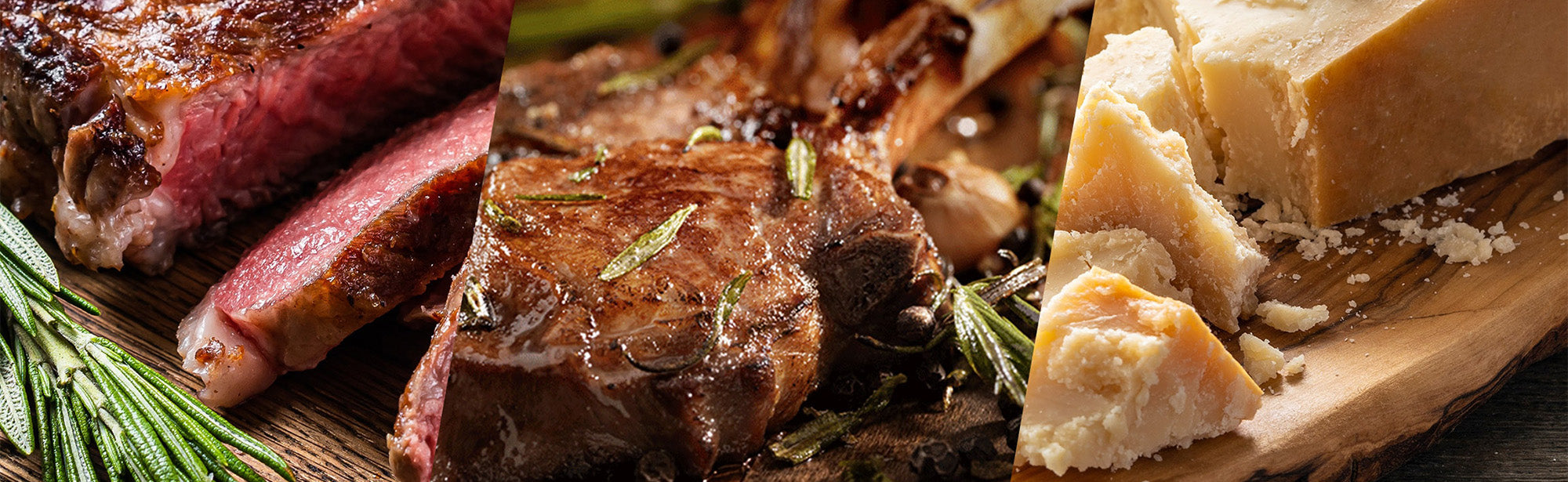
Dunklem Fleisch wie Rind, Wild und Lamm, aber auch zur Käseplatte fantastisch. Unser Geheimtipp: Tajine!
Vinifikation
Die Trauben für diesen „Über-Amarone“ stammen aus dem Val d'Illasi, dem östlichsten Tal von Verona. Man findet dort Schwemmlandböden mit einem recht hohen Tonanteil. Genutzt wurden Corvina Veronese (Hauptanteil, ca. 60 %), Rondinella (ca. 20 %), Oseleta (ca. 10 %) und Croatina (ca. 10 %). Für eine Flasche Wein wird die Frucht von neun Rebstöcken verwendet! Die Trauben werden getrocknet, dann vergoren und im Barrique ausgebaut.